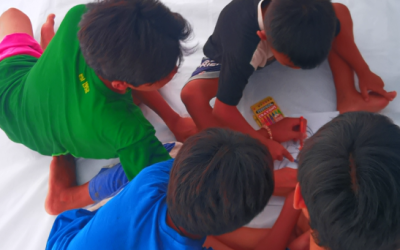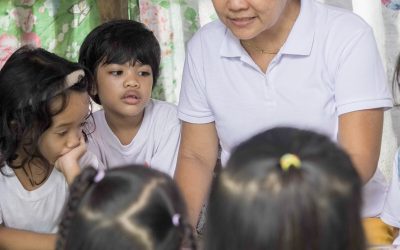
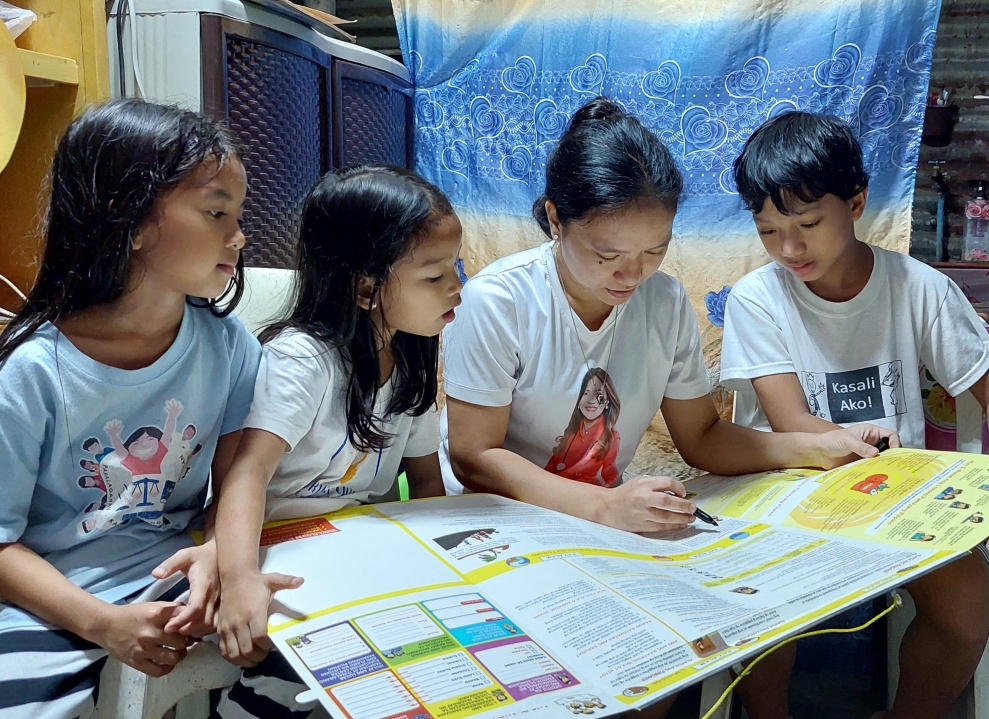
Emergencies and disasters can happen without warning, making it essential to be prepared. In the Philippines, where natural events such as typhoons, earthquakes, and floods are common, having a well-thought-out family emergency plan is crucial. Through ChildFund Philippines’ Children and Youth-Led Disaster Risk Reduction and Management (CYDRM), we encourage families to take proactive steps by developing a family emergency plan and preparedness kit, helping ensure everyone knows what to do during a crisis.
Here’s a simple guide to help you create an effective family emergency plan:
1. Identify Potential Risks
Start by identifying the types of emergencies most likely to occur in your area. In the Philippines, common risks include typhoons, floods, earthquakes, volcanic eruptions, and landslides. Knowing what to expect allows you to tailor your emergency plan to your family’s specific needs.
Stay informed: Keep an eye on weather reports, government advisories, and updates from local authorities. Being informed is your first line of defense.
2. Create a Family Communication Plan
During emergencies, communication may be disrupted, and family members can be separated. Establishing a clear communication plan and meeting points will help ensure everyone can reconnect.
- Emergency Contacts: List essential contacts, including family members, close friends of children, teachers, school contacts, office contacts of parents, and older family members. Make sure each family member knows these numbers or has them saved.
- Meeting Points: Designate two meeting places—one near your home and one outside your neighborhood. This helps everyone know where to go, whether you’re together or apart during an emergency. Make sure to emphasize the importance of meeting points, especially if there’s no way to contact each other.
- Out-of-Town Contact: Choose a trusted relative or friend outside your area who can act as a point of contact for family members to check in.
Practice drills: Explain this plan to all family members, especially children, and conduct drills or dry runs so everyone understands their roles and the purpose of each step.
3. Prepare an Emergency Kit or Go-Bag
A well-prepared emergency kit can sustain your family during and after a disaster. Your kit should include essential items for at least 72 hours. Here’s what to pack:
- Water: One gallon per person per day.
- Food: Non-perishable items like canned goods, dried fruits, and energy bars. Include any special foods needed for family members with dietary requirements, and remember to include pet food.
- First-Aid Kit: Bandages, antiseptics, prescribed medications, and other essentials.
- Toys and Books: For families with young children, include comfort items like toys, books, or writing materials.
- Flashlights and Batteries: Include spare batteries and consider solar-powered or hand-crank flashlights.
- Important Documents: Copies of birth certificates, IDs, insurance papers, and family documents in a waterproof folder.
- Clothing and Blankets: Pack weather-appropriate items to keep warm.
- Basic Tools: A whistle, multi-purpose tool, and a manual can opener are essentials.
Regularly check your kit to replace expired items and adjust as your family’s needs change.
4. Assign Roles and Responsibilities
Assign specific roles to each family member to reduce panic and ensure everyone knows what to do during an emergency:
- Adults/Teens: Responsible for shutting off utilities (gas or electricity) and securing the home. Ensure everyone knows where shut-off points are located.
- Children: Teach younger children how to call for help and follow instructions. Reassure them about what will happen during an emergency to reduce fear.
- Pet Owners: Include pets in your emergency plan with their own kit of food, water, and any medications.
Involving children in emergency planning helps them feel in control and safe. ChildFund Philippines promotes CYDRM to help children take active roles in their family’s emergency preparedness, giving them a sense of security and confidence.
5. Stay Informed and Get Involved
It’s essential to stay updated on your community’s disaster preparedness efforts. Many local governments offer free training on first aid, fire prevention, and disaster response. Engage with your community to stay informed about emergency shelters and available resources.
Explain these resources to all family members, especially children, so they feel confident knowing what support is available.
6. Emphasize Mental and Emotional Preparedness
Being physically prepared is vital, but don’t overlook the emotional toll emergencies can have, especially on children. Talk openly with your family about your emergency plan, listen to their concerns, and reassure them that these steps are in place to keep everyone safe.
Comfort items: Include a favorite toy, blanket, or book in your kit for children to provide emotional security during stressful situations.
By creating a family emergency plan and staying prepared, you’re taking important steps to protect your loved ones. Emergencies can happen at any time, but a well-prepared family is a safe family. Through Children and Youth-Led Disaster Risk Reduction and Management (CYDRM), ChildFund Philippines is helping young people take active roles in building resilient families and communities. By involving your children in these efforts, you are helping raise future leaders who can contribute to safer, stronger communities.