
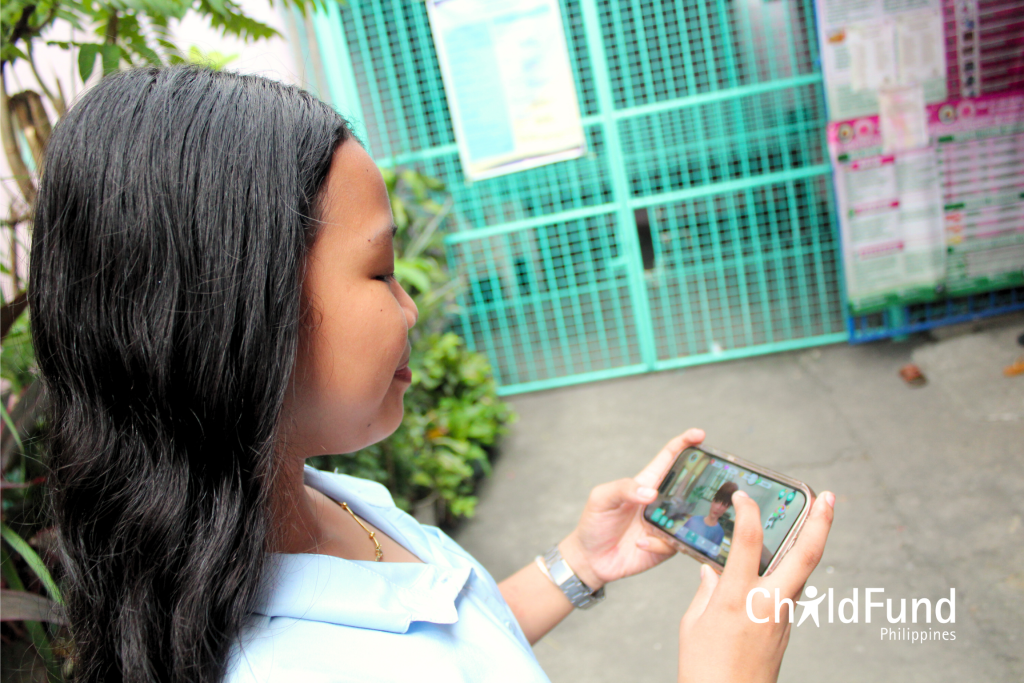
The internet is a space for learning, connecting, and having fun. But along with its benefits come risks that children may not always recognize. As parents, guiding kids through the digital world is essential to keeping them safe. Here are practical ways to help your child develop healthy online habits and stay protected.
1. Set Clear Rules and Boundaries
Talk to your child about when, where, and how long they can go online. Set up parental controls on devices and use child-friendly search engines to create a safer browsing experience. Encourage them to ask permission before downloading apps or signing up for websites.
2. Teach Kids to Keep Personal Information Private
Children should understand the importance of not sharing personal details like their full name, address, school, or contact information. Remind them that online interactions should remain within safe limits and that they should never agree to meet someone they only know from the internet.
3. Encourage Open Communication
Create a safe space where your child feels comfortable talking about their online experiences. If someone asks them to keep a secret, threatens them, or makes them uncomfortable, they should know they can always turn to you for help. Assure them that reporting something suspicious is never wrong.
4. Recognize and Report Online Dangers
Teach your child to identify and report inappropriate content, cyberbullying, or messages from strangers. If they see someone being bullied online, they should tell a trusted adult who can take action. Remind them that their well-being and safety always come first.
5. Think Before Sharing
Explain the risks of sharing photos, videos, and messages online. Even on platforms that claim to delete images, there’s always a chance someone could save or misuse them. Teach kids to check with family and friends before sharing photos of others, as a simple post could affect someone’s privacy.
6. Stay Cautious About Online Offers
Warn kids about people who offer gifts or money online, as these can be tricks to gain trust. Make sure they understand that they should never accept anything from strangers and should report such interactions immediately.
7. Be Careful with Links and Downloads
Malware, phishing scams, and viruses can come from clicking unknown links or downloading unverified files. Teach children to always check with an adult before opening attachments or installing software to prevent security threats.
8. Protect Passwords and Accounts
Help your child create strong passwords and remind them never to share them, even with friends. If they suspect someone has accessed their account, they should change their password and inform you right away.
ChildFund Philippines is committed to keeping children and youth informed and safe in the online world. We provide digital literacy programs, workshops, and collaborate with schools and communities to help children understand online risks and how to protect themselves. Our efforts also extend to working closely with parents and educators and the media, equipping them with the knowledge and tools needed to guide children in responsible digital use.
Online safety isn’t just about restrictions, it’s about teamwork, guidance, awareness, and trust. By having open conversations, setting boundaries, and teaching kids how to recognize risks, parents can help children navigate the digital world with confidence and caution.
Keeping children safe online starts with us. Let’s guide them toward smart and responsible internet use! Let’s be #WEBSafe and Wise.
About the WEB Safe and Wise Campaign:
The #WebSafeandWise campaign is part of ChildFund Alliance’s global effort to uphold the rights of children to be protected from all forms of violence, expanding into the area of online spaces. This initiative will focus on addressing the risks emerging in the digital environment while supporting children and young people to become effective digital citizens. In 2023, ChildFund Philippines launched the campaign in the country. Last year, ChildFund Philippines hosted the global gathering of online safety advocates and youth champions from all over the world to bring the issue to the forefront of child protection discussions in the digital space.