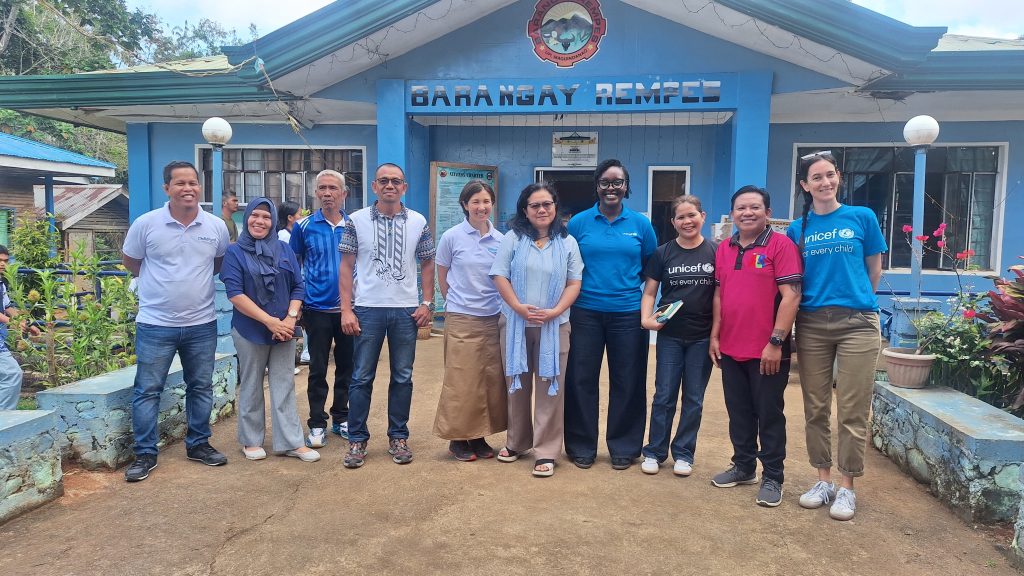
In a barangay where distance often determines opportunity, Rempes is charting a different path. With support from ChildFund Philippines and UNICEF, and funding from the Government of the Republic of Korea through the Korea International Cooperation Agency, the community is taking an integrated approach to strengthening alternative learning, WASH, health, and early childhood care.
By Check Zabala
In Barangay Rempes in Upi, Maguindanao del Norte, life is shaped by geography and daily life. For many families, accessing basic services means walking long roads just to fetch water, bring children to school, or reach a health facility.
Those who live near the barangay center have easier access to schools, health services, and child development programs. But for families in more remote areas, these remain out of reach—turning everyday needs into daily challenges.
These realities weigh heaviest on women and children. Distance, limited infrastructure, and poverty overlap, creating gaps in water and sanitation, nutrition, education, and early childhood development.
When one service falls short, others are affected. Undernourished children struggle to learn. Unsafe or inadequate classrooms discourage attendance of learners. Limited access to health care reduces families’ chances to break the cycle.
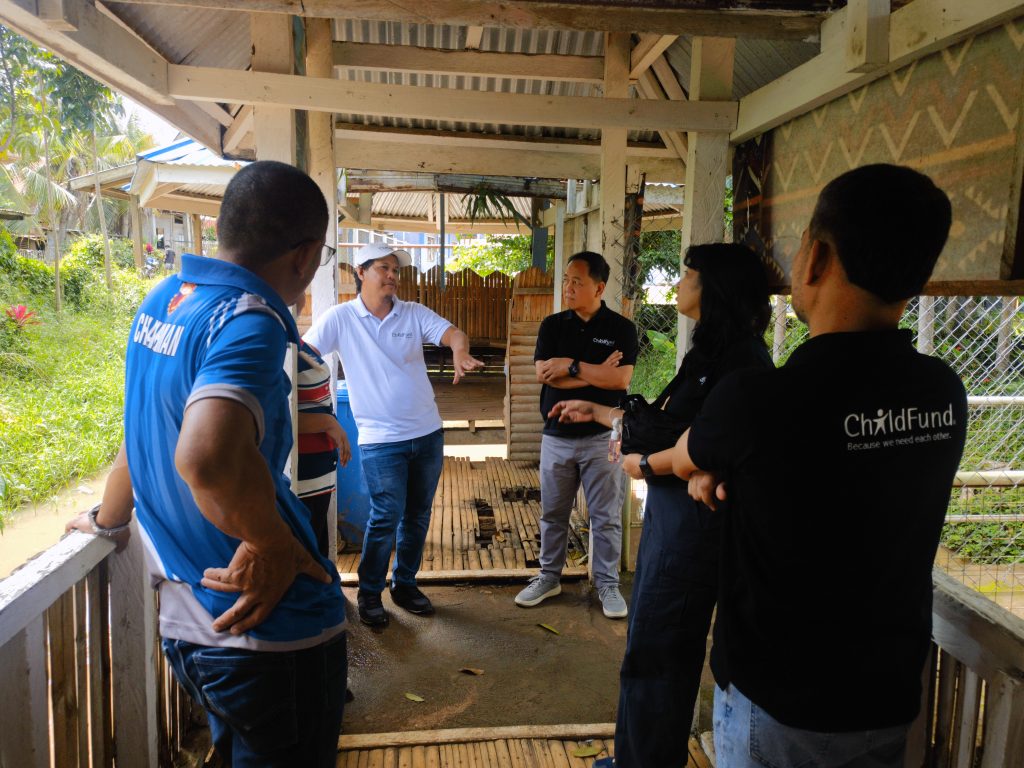
Barangay Chairman Nolie Acosta has seen these challenges unfold over years of service. One issue became increasingly clear during community discussions: participation in the Alternative Learning System (ALS) was declining.
Many out-of-school youth and adults wanted to continue their education but lacked the support to do so. Learning spaces were inadequate, volunteer teachers were overstretched, and institutional backing was inconsistent.
“Support for ALS has been lacking, which is why many learners are not able to continue their studies,” Chairman Acosta said.
The problem was not a lack of motivation, but a lack of systems. Limited resources, aging facilities, and weak coordination made it difficult to sustain services.
Community involvement in planning was also limited, leaving decisions disconnected from everyday realities on the ground. What Rempes needed was an approach that went beyond quick fixes, one that connected education with the services that support learning.

To address these challenges, a partnership was formed between the BARMM government, through the Ministries of Basic, Higher and Technical Education, Health, and Social Services and Development, ChildFund Philippines, and UNICEF, with support from the Government of the Republic of Korea through the Korea International Cooperation Agency (KOICA).
Under the project Strengthening Health and Nutrition Service Delivery Capacities in Early Learning, Alternative Learning, and Community Health, work began with community consultations. Residents, barangay officials, and service providers identified gaps in ALS, health, nutrition, water, and sanitation.
The discussions led to a shared understanding: learning improves when health, nutrition, and safe environments are addressed alongside education.
Through participatory planning, the Barangay Development Council placed ALS and integrated services at the center of the barangay development plan.
With technical guidance from project partners, Brgy. Rempes adopted a coordinated approach linking education with health, nutrition, and WASH.
While the project provided support, the barangay government committed its own resources, allocating funds, backing volunteers, and turning plans into action.
Chairman Acosta also advocated to neighboring barangays, showing how local governments can lead integrated development using their own systems.
“Education is a shared responsibility. When we identified ALS as a gap in our community, we decided to act.”

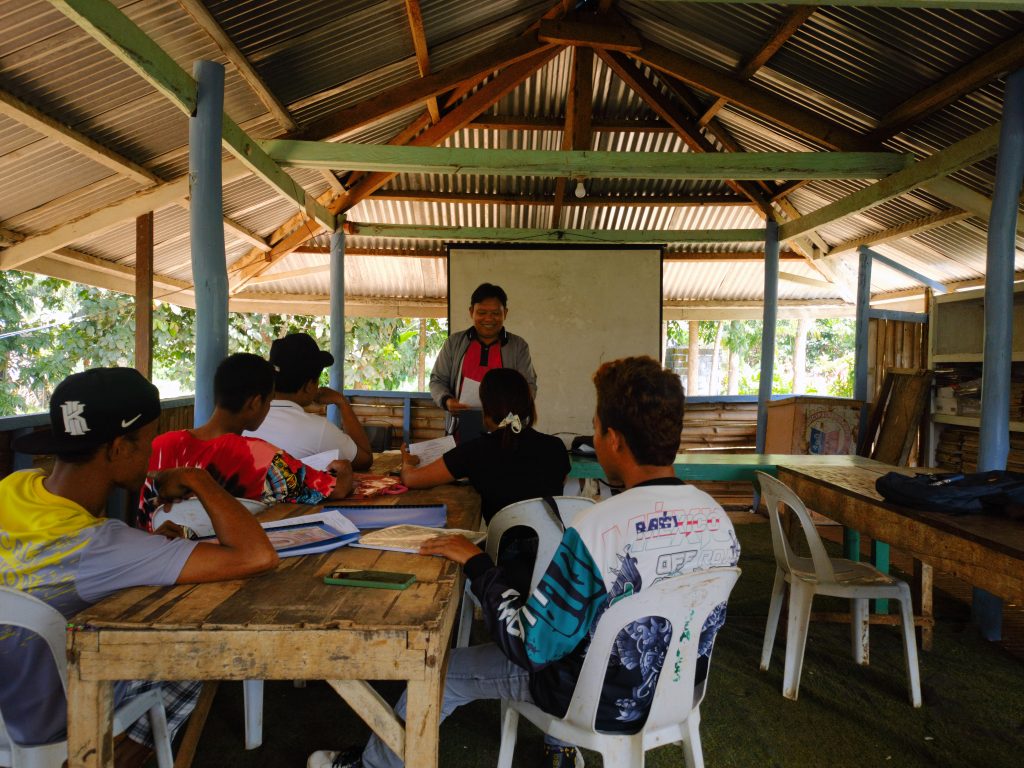
The impact soon became visible. In collaboration with the barangay, the ALS Community Learning Center was refurbished, creating a safer and more welcoming space for learners.
The Barangay Health Station and Child Development Center were also improved, strengthening the connection between learning, health, and early childhood support.
Beyond facilities, a deeper shift took place. Barangay Rempes allocated 200,000 pesos from its own funds and committed to providing honoraria for two ALS volunteer teachers.
“Allocating barangay funds and supporting volunteer teachers is not just an expense, it is an investment in the future of our community,” Chairman Acosta shared.
It was a clear move toward local ownership and sustainability.
As learning spaces improved and volunteer support stabilized, confidence in ALS grew. Learners saw the program as a viable path forward. Parents became more involved, and the community began to take pride in collective progress.
“We saw that when the barangay works together and has a clear plan, services become more effective,” he added. Long-standing barriers were gradually addressed: weak ALS support gave way to sustained funding and volunteer assistance, poor facilities were transformed, and participation increased through community engagement and shared decision-making.
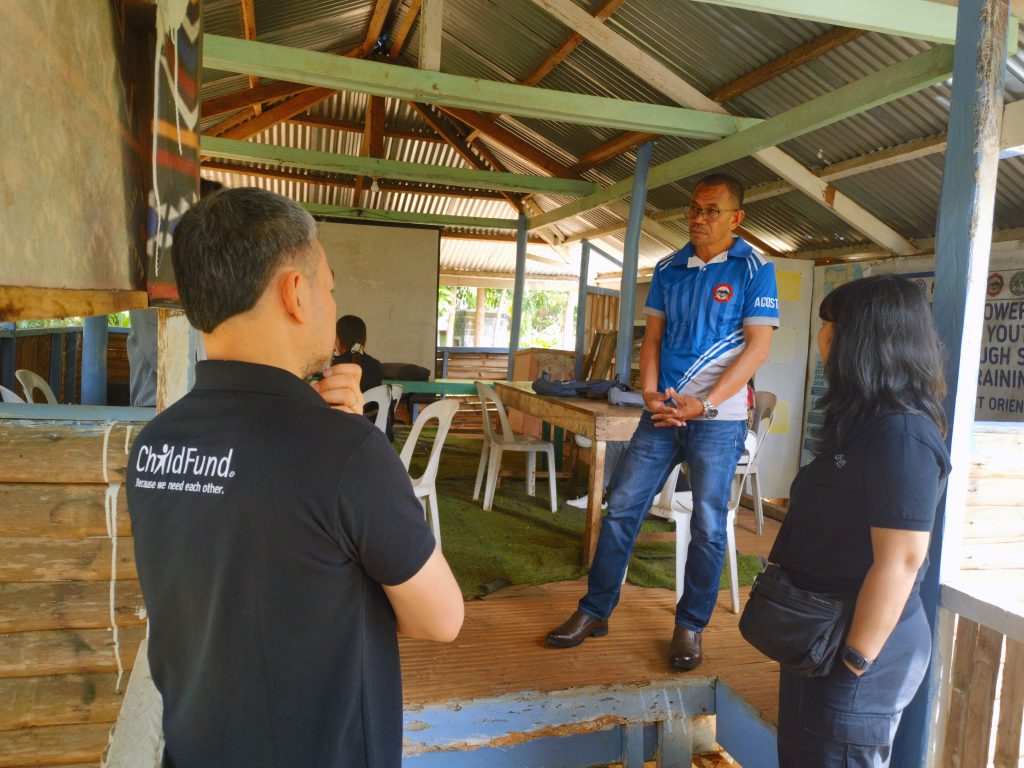
For Brgy. Rempes, integration proved to be key. Education was no longer treated as a stand-alone concern. Health, nutrition, water, sanitation, and learning were planned and delivered together, leading to better outcomes for children, youth, and adults.
Today, Barangay Rempes has a stronger and more sustainable ALS program, supported by improved facilities, committed volunteers, and local investment. Families now have easier access to health and early childhood services, and learners benefit from environments that encourage them to stay and succeed.
Trust in barangay leadership has also grown, reflected in higher participation and shared responsibility. The barangay now operates with clearer priorities and stronger systems for delivering integrated services.
Most importantly, Rempes has shown what is possible when communities lead. With consultation, coordination, and local ownership, even resource-constrained barangays can strengthen education, health, and child development services.