Living in a crowded evacuation tent after the June 2026 earthquake, Norbaina Dinda faces the daily challenges of caring for a newborn while preparing to rebuild her family’s life. With support from ChildFund and Canva Foundation, she is turning assistance into a pathway toward a safer home for her daughter.
By Check Zabala
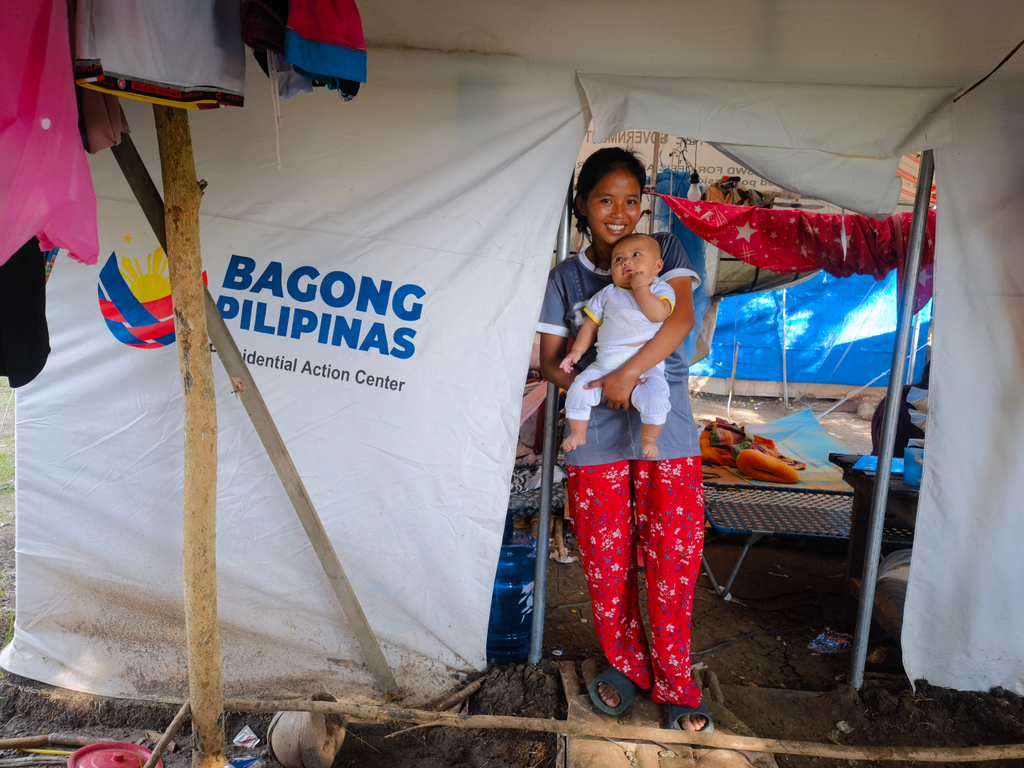
Photo by Check Zabala
Three-month-old Sara, not her real name, should be spending her days in the comfort of her family’s home. Instead, she is growing up in a crowded evacuation tent in Malapatan, Sarangani, sharing a temporary shelter with multiple families after a powerful earthquake destroyed their house.
For her mother, 22-year-old Norbaina Dinda, the disaster turned the challenges of caring for a newborn into a daily struggle.
On June 8, a magnitude 7.8 earthquake struck Southern Mindanao, leaving thousands of families displaced. As of July 24, 2026, the Department of Social Welfare and Development (DSWD) reported that 15,647 families or 78,316 people had been affected by the earthquake in Malapatan, Sarangani Province. More than 13,700 houses were damaged, including 2,558 that were totally destroyed. Many families continue to rely on temporary shelters while rebuilding their lives.
Norbaina remembers exactly where she was when the earthquake hit.
She was bathing Sara when the ground began to shake violently.
“I never imagined that my baby and I would experience something like that. I was really scared for both of us,” she recalled.
Although her family survived, their home did not.

Photo by Check Zabala
Since then, Norbaina, her husband, and baby Sara have been living in an evacuation site. Their tent is shared by three families, with seven people living together in a cramped space.
The challenges are especially difficult for mothers with young babies.
“It’s not easy, especially for me as a breastfeeding mother. There is very little privacy, and it’s not comfortable for my baby. There are many insects, and I worry about the air she breathes. Maintaining hygiene is also difficult,” said Norbaina.
While her husband earns what he can as a tricycle driver, Norbaina spends most of her time caring for Sara in the evacuation site. During the hottest parts of the day, they move to her sister’s tent because their own shelter becomes too warm for the baby. Even there, they share the cramped space with other relatives.

Photo by Check Zabala
Emergencies and displacement often place mothers and infants among the most vulnerable members of a community. For families living in evacuation sites, overcrowded conditions, limited privacy, exposure to the elements, and disruptions to daily routines can make caring for young children more challenging.
For breastfeeding mothers, maintaining a safe and comfortable environment for their babies becomes an added concern at a time when families are coping not only with the loss of their homes, but also with uncertainty about where they will live next.
Like many mothers in the evacuation site, Norbaina is navigating these challenges while trying to keep both herself and Sara healthy and safe.

Photo by Check Zabala
On July 27, ChildFund and Canva Foundation provided multi-purpose cash assistance to 300 families in two evacuation sites in Malapatan, including Norbaina’s community.
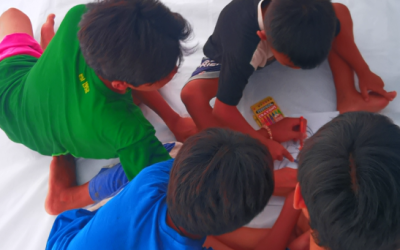
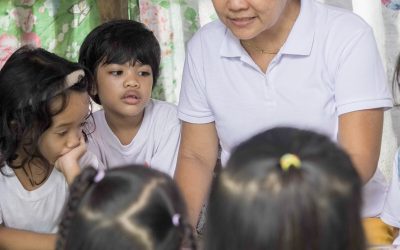
As parents and caregivers received the assistance, children joined psychosocial support activities and received learning kits with art materials, creating opportunities for play, learning, and emotional recovery amid the uncertainty of displacement.
For Norbaina, the cash assistance offers something many families need after an emergency: the flexibility to decide what matters most for their household.

Photo by Check Zabala
Part of the assistance will help meet Sara’s daily needs while the family remains in the evacuation site. Another portion will be set aside for building a new home, giving Norbaina a chance to prepare for life beyond the tent they now call shelter.
“I was surprised by the support. It means so much to us. I can use part of it to build our house and buy the things my baby needs,” she said.
Families currently staying in the evacuation site have been informed that they will need to relocate by September, as temporary shelters can only accommodate displaced families for a limited time. While a relocation site is being prepared, many families will still need resources to start rebuilding their homes and lives.
For Norbaina, the cash assistance is helping bridge that difficult transition.
“Starting over is not easy. We still need resources to build a home. What we received will help us take that first step,” she said.
Each day, Norbaina watches Sara grow inside a crowded tent that was never meant to be a home. In a matter of weeks, they will have to leave the evacuation site and begin again elsewhere. For now, she continues to save what she can, planning for the day her daughter no longer wakes up beneath tarpaulin walls, but in a home they can finally call their own.
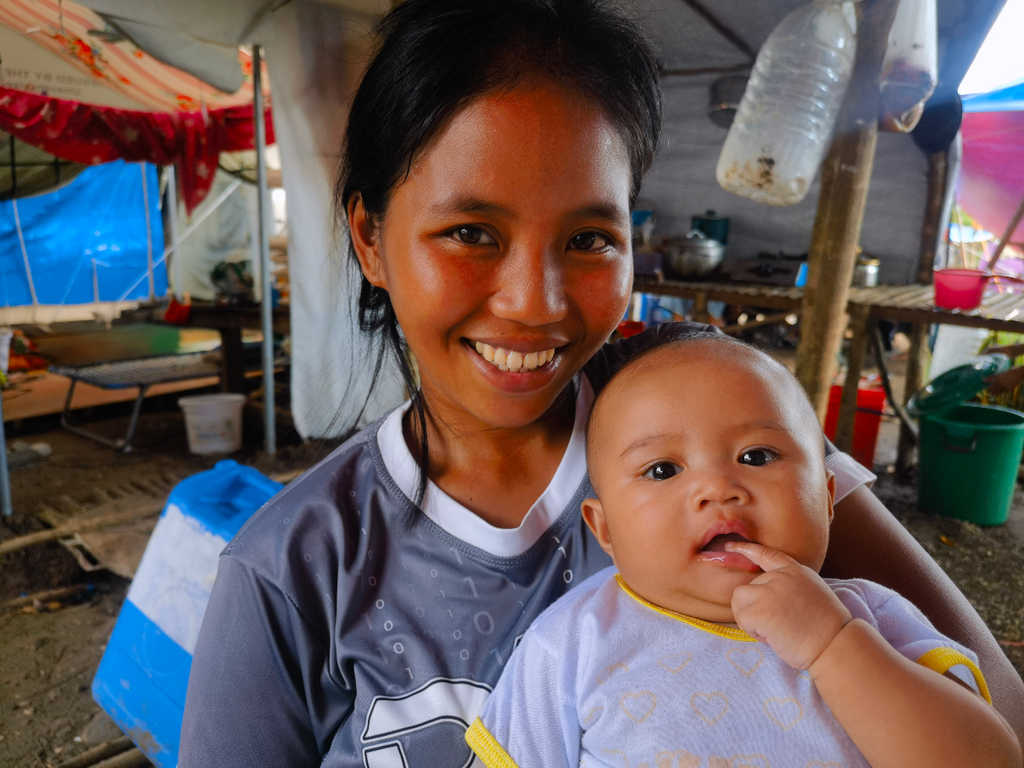
Photo by Check Zabala