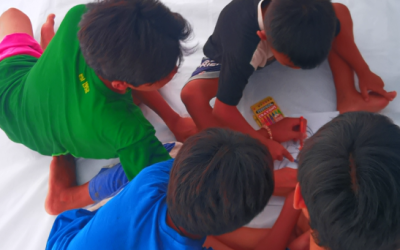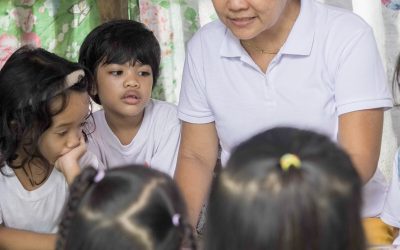

ChildFund Philippines develops a localized Social and Emotional Learning (SEL) framework with SEAMEO Innotech and the Department of Education to guide teachers in fostering well-being of Filipino Learners and teachers.
In the fast-changing world of education, Filipino learners face more than just academic challenges. They also encounter emotional and social struggles, which can impact their overall well-being. Social and Emotional Learning has emerged as a crucial component in helping learners navigate these complexities, teaching them to manage their emotions, develop empathy, and form meaningful relationships.
The Power of Social and Emotional Learning
The localized Social and Emotional Learning framework developed by ChildFund Philippines, SEAMEO INNOTECH, and the Department of Education reflects Filipino values like bayanihan (community spirit), respect for diversity, and compassion. This framework emphasizes self-awareness, perseverance, and active citizenship, with the goal of raising capable children who trust in themselves and others.
A strong foundation in Social and Emotional Learning benefits learners by enhancing their overall well-being, which in turn boosts academic performance and nurtures their ability to contribute positively to their communities. It equips them with essential life skills for coping with stress, building resilience, and making responsible decisions. It also enables them to develop a sense of purpose and belonging that prepares them for a fulfilling life beyond the classroom.
Teachers as Social and Emotional Learning Champions
In the Philippines, teachers are more than educators; they act as “second parents” to their learners. They play a key role in emotional development, often guiding learners through everyday challenges. Here are several ways teachers can effectively implement Social and Emotional Learning in their classrooms:
- Creating Safe Spaces: Teachers build trusting environments where learners feel comfortable expressing their emotions.
- Teaching Empathy: Through group activities and class discussions, they help learners understand and respect others’ feelings, reinforcing Filipino values of kindness and compassion.
- Encouraging Perseverance: Teachers inspire resilience, encouraging learners to overcome obstacles and adopt a growth mindset.
- Fostering Community Spirit: By modeling bayanihan, teachers instill the importance of cooperation and active citizenship in their learners.
Teachers Leading the Way
Teachers are at the heart of Social and Emotional Learning. They spend significant time with learners and have the unique opportunity to guide them through emotional growth. However, it’s not just the learners who benefit. For Social and Emotional Learning to thrive, teachers’ well-being is equally important. When educators are emotionally healthy, they are better able to model and teach the life skills that Social and Emotional Learning promotes.
Here’s how Social and Emotional Learning-trained teachers make a difference:
- Recognize Emotional Needs: Teachers can identify when learners are struggling and support them in processing their emotions.
- Model Emotional Intelligence: By demonstrating empathy and self-regulation, teachers show learners how to handle emotions effectively.
- Create Safe Spaces: Social and Emotional Learning-trained teachers foster classrooms where learners feel safe to express themselves, building trust and emotional safety.
Our localized Social and Emotional Learning framework also puts the well-being of teachers as a priority. The framework not only helps teachers foster emotional growth in their learners but also supports their own social, emotional, and mental health. This ensures that educators can sustain their passion for teaching while creating a nurturing environment for their learners.
Moreover, teachers can also collaborate with parents to ensure learning are reinforced at home, creating a holistic approach to children’s development. Not only that, but they also have the ability to create supportive environments where learners can develop emotional intelligence, empathy, and resilience.
As Marlene Floresca, Education Specialist at ChildFund Philippines, explains, “Implementing a localized Social and Emotional Learning framework is vital for nurturing capable and resilient Filipino children who have confidence in themselves and others. Teachers are integral to this process. While we promote their own well-being, we also equip them to guide learners through their social and emotional development and instill values that are inherently Filipino, like pagpapakatao and pakikipagkapwa-tao. Through the localized Social and Emotional Learning framework, we equip the next generation to build meaningful relationships and navigate the complexities of an interconnected world.”