In the aftermath of the Mindanao earthquake, fathers in Barangay Lunen stepped beyond traditional roles, using care, empathy, and psychosocial support to help their community recover. By Check Zabala
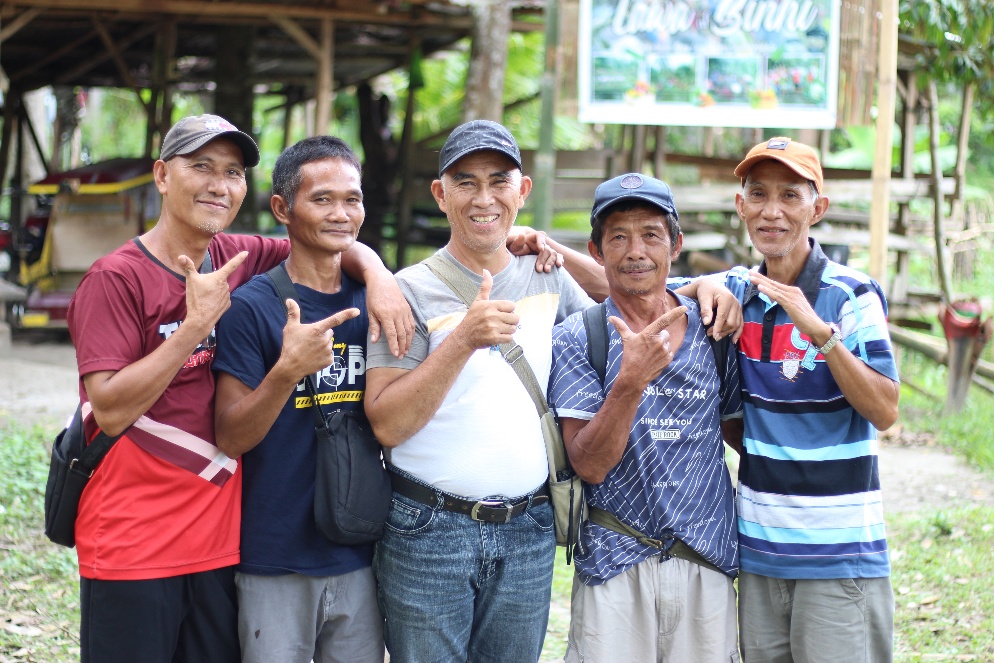
In Barangay Lunen, Tupi, South Cotabato, fathers are known first as providers. They spend long days in the fields, making sure their families have enough to eat. Conversations about feelings are often left unspoken, especially among men.
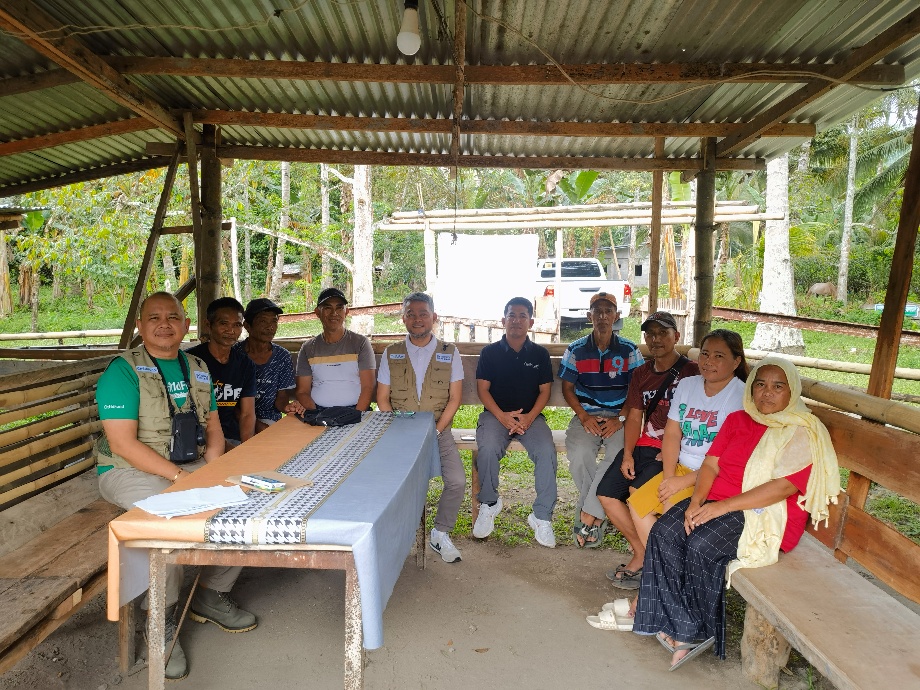
Many of these fathers are members of the Barangay Lunen Farmers Association (BLuFA), one of the community-based organizations partnered with ChildFund and Ha Uman Association Inc., through the Climate Care Project, supported by the European Union.
Even before the 7.8 magnitude earthquake struck Mindanao on June 8, BLuFA members, most of them fathers, had already begun learning something new. They were trained in Psychological First Aid (PFA), mental health and psychosocial support (MHPSS), as well as child rights, child protection, inclusion, gender-based violence, protection from sexual exploitation and abuse, disaster risk reduction, and comprehensive nature-based solution.
At the time, it felt unfamiliar. Listening deeply, talking about emotions, and supporting people in distress were not roles they were used to. Still, they chose to learn.
When the earthquake hit, the lessons became real.
Fear spread across the community. Families were shaken, and many struggled to cope. These fathers were also afraid, but they did not step back.

“We were worried and afraid too,” shared Moreno, 47, a farmer and BLuFA member. “We also have our own families, but we knew we had knowledge we could share and use to help others in the community.”
For Alfredo, 62, his first priority was his family. “Of course, I worried about my family first. But once I knew they were safe, I immediately went to join others to help those who needed support.”
Instead of retreating, they stepped forward. They checked on neighbors, sat with those who were distressed, and listened.
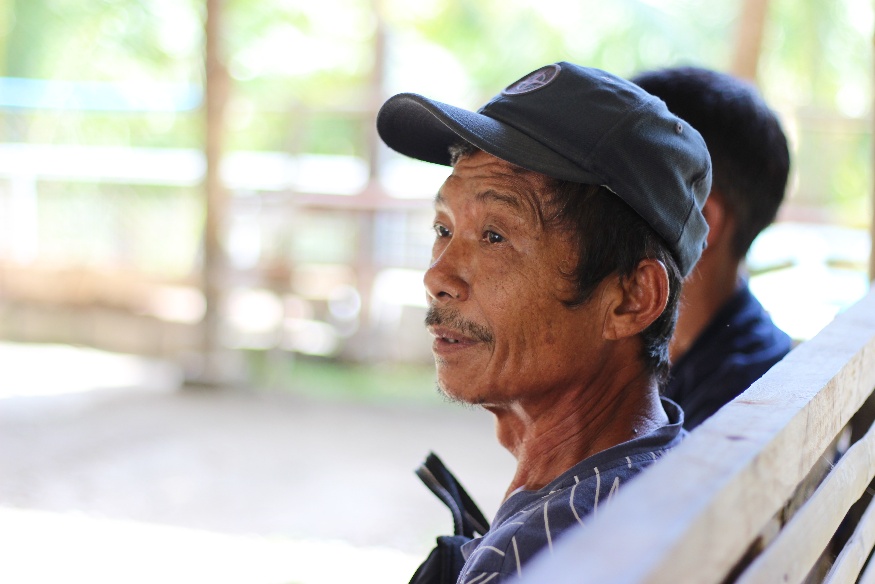
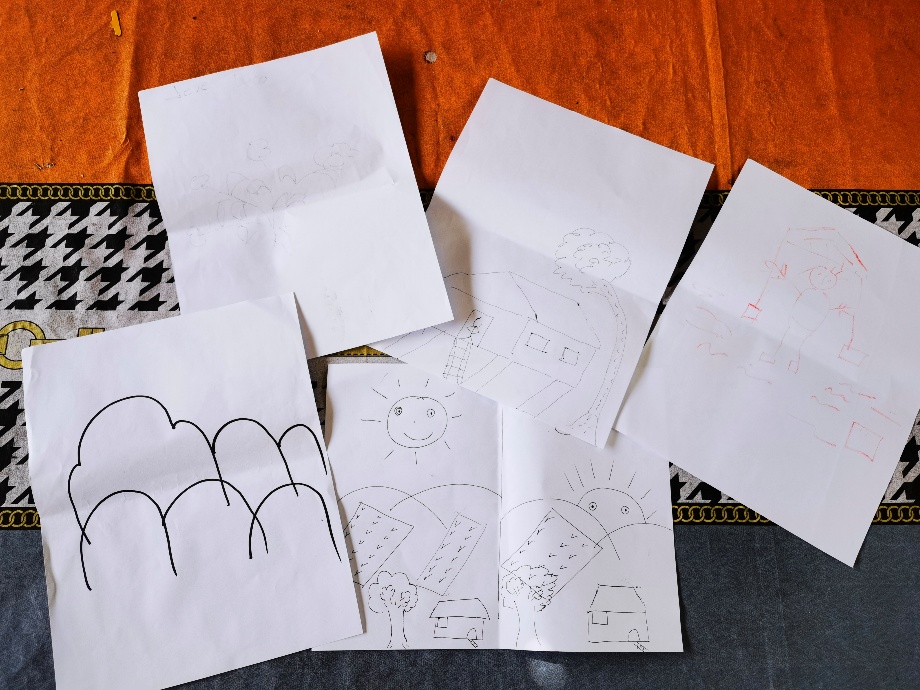
On June 18, they began organizing psychosocial support sessions. They gathered parents and caregivers for simple activities like games, drawing, and open conversations. They created safe spaces where people could share what they were feeling without judgment. For those who needed more support, they provided one-on-one care and helped connect them to the right services.
At first, some community members misunderstood the gatherings. “When we called for an assembly, many thought we would give financial assistance,” said Emilio, 56, BLuFA President. “That’s usually what people expect. But we explained that what we were bringing was different. It may not be physical help, but it is peace of mind.”
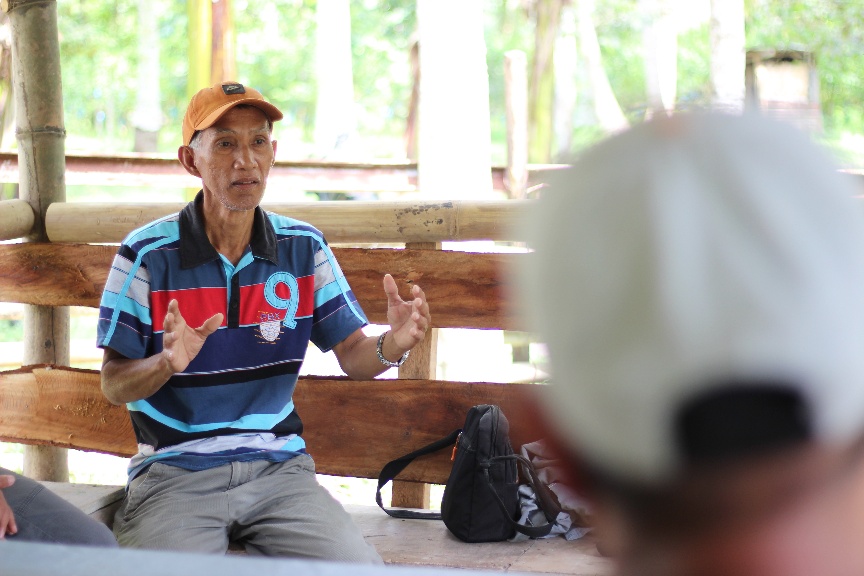
As the sessions went on, the impact became clear. Emilio shared that some parents expressed deep gratitude after participating. Many had little to no formal education, and for some, it was the first time they were given the chance to draw, to sit in a safe space, and to freely express what they were feeling. For a community used to focusing on survival, being heard in this way was something new.
Johnny, 56, a councilor and BLuFA treasurer, stressed its importance. “It is important to focus on people’s thoughts and emotions, especially after a disaster. Many of us are still afraid. But for us to move forward, we need peace of mind. It is also important to prevent misinformation and guide people on what to do during times like this.”
These fathers quietly took on roles many did not expect from them. They became listeners, facilitators, and sources of comfort. Many paused their daily work just to make time for others.

“Balancing this with our regular work is really difficult,” shared Jonathan, 53. “We have farms to take care of, and I also have another job. But we still do this because we need to help each other.”
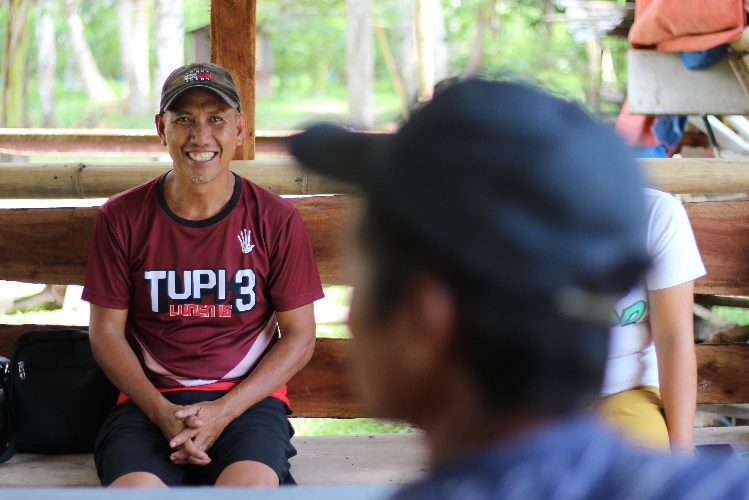
Beyond immediate support, they are also thinking ahead. “It is important that we share knowledge on what people should do if another disaster happens,” said Vivencio, 51, councilor and BLuFA secretary. “We need to be ready, in case this happens again.”

In just a few days, they reached more than 100 community members. But what they started goes beyond numbers. They helped people feel safe again. They helped parents regain the strength to care for their children. They reminded their neighbors that they were not alone.
Their efforts are part of a wider response. Following the earthquake, ChildFund, together with partners, rolled out mental health and psychosocial support in affected communities, including Tupi in South Cotabato and Malapatan in Sarangani. As of June 21, around 3,000 children and adults have been reached.

This reflects ChildFund’s commitment to bring humanitarian support where it is needed most. Across all its work, ChildFund continues to ensure that children are healthy, educated, skilled, and safe, while strengthening the communities that care for them.
In Lunen, recovery did not begin with rebuilding structures, but with rebuilding people. And at the center of it are fathers who chose to lead with empathy. They showed that care and mental health are not defined by gender, and that anyone can hold space for others in times of need.
In a moment of crisis, they showed that strength is not only measured by how much you can carry, but by how many people you can help stand again.