Our main purpose is to help Filipino children and youth grow up healthy, educated, skilled, and safe.
2022
in a nutshell
TOTAL REACH
CHILDREN
ADULTS
Healthy and Secure Infants and Young Children (0-5 years old)
Educated and Confident Children (6-14 years old)
Skilled and Involved Youths (15-24 years old)
Featured Stories
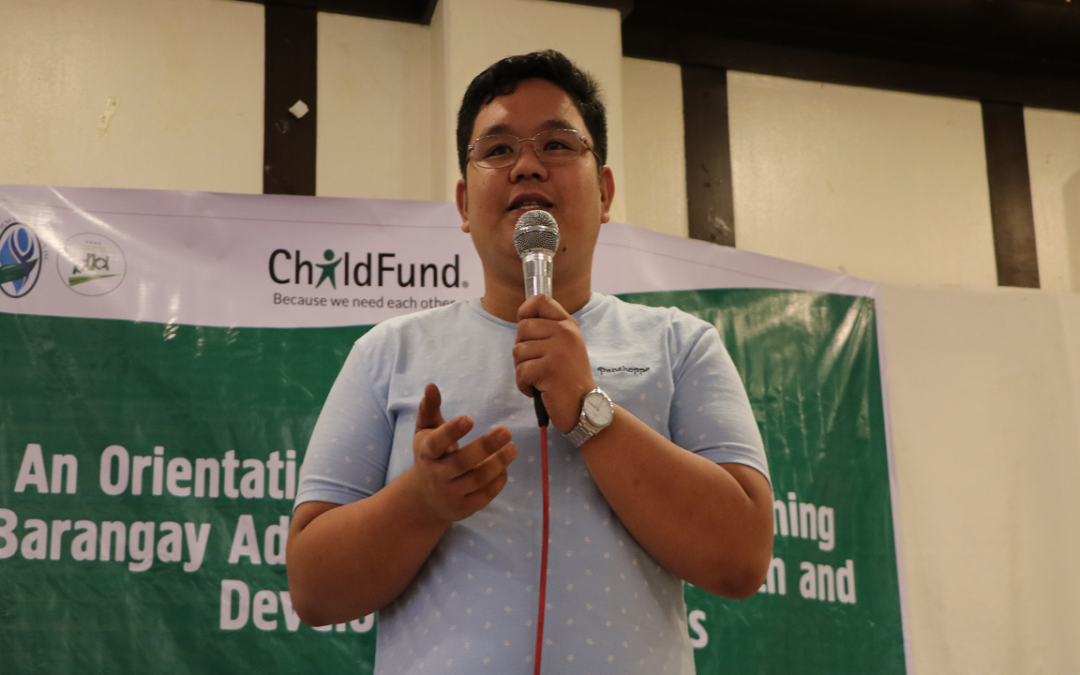
A Sponsored Child Pays It Forward
Jayson Yañez, 19, hails from Barangay San Simon in Cagayan de Oro city in the south of the Philippines. Born to a single mother who soon had to leave the country to find work, he was placed in the care of his grandparents, whom he still lives with today. He has been...

A Warrior and a Wellspring of Hope
“I want to be their hope,” said Erika Montano, rather emphatically. The 22-year-old from Cagayan de Oro city may have been smiling when she said this, but the fire in her eyes gave away what burns deep within. She is one of several youth volunteers of KKKK Xavier...

Not ‘Just’ a Child
Since she was in Grade 3, 19-year-old Christine Coronacion has been very active in Reina Federation’s programs for children and youth in partnership with ChildFund. She was particularly drawn to their children and youth-led disaster risk reduction and management...
Featured Programs
Exemplifying Social and Emotional Learning in Learner’s Environs and Teacher’s pedagogy (ExSELLEnT)
Social and Emotional Learning (SEL) helps students understand themselves, relate well with others, and make responsible choices. A contextualized SEL framework matters because it reflects Filipino values, culture, and everyday life, making learning more meaningful and relatable. Without this local context, SEL programs can feel disconnected and less effective. This framework ensures that SEL truly supports Filipino learners in ways that resonate with their real-world experiences.